

Education: The Foundation of Personal and Societal Growth
Education is a fundamental pillar of human development and societal progress. It shapes the way individuals think, act, and contribute to the world around them. From the early stages of childhood learning to higher education, the acquisition of knowledge and skills is central to personal growth and the advancement of society as a whole. Education not only equips individuals with the tools necessary for professional success but also fosters critical thinking, creativity, and an understanding of the world’s complexities.
The Role of Education in Personal Development
At its core, education is about empowering individuals. It provides the foundation for personal development by expanding one’s knowledge, refining skills, and promoting intellectual curiosity. Through education, people gain an understanding of various subjects such as mathematics, literature, history, science, and the arts. This knowledge enhances their ability to make informed decisions and engage meaningfully with the world.
Furthermore, education plays a critical role in the development of emotional intelligence and social skills. It is within the classroom and educational settings that students learn to collaborate with peers, resolve conflicts, and develop a sense of empathy and respect for others. These interpersonal skills are invaluable, as they help individuals navigate their personal and professional lives with confidence and maturity.
Education and Economic Prosperity
The relationship between education and economic development is undeniable. Education is often seen as the key to breaking the cycle of poverty, as it provides individuals with the opportunity to secure better-paying jobs, improve their quality of life, and contribute to the economy. A well-educated workforce is a critical driver of innovation, productivity, and entrepreneurship. People who have access to education are more likely to be skilled workers, entrepreneurs, and leaders in their communities.
In many countries, the level of education is directly linked to economic prosperity. Nations with high literacy rates and quality education systems tend to experience stronger economies. Educated individuals are more likely to start businesses, create jobs, and drive technological advancements. Furthermore, education helps individuals develop the skills required to adapt to the changing demands of the job market, ensuring that they remain competitive in an increasingly globalized world.
The Social Impact of Education
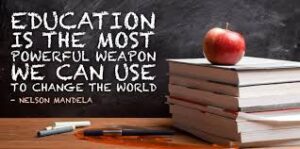
Education is a powerful force for social change. It has the ability to challenge societal norms, promote equality, and improve overall well-being. One of the most significant benefits of education is its role in promoting social mobility. For many individuals, education is the means by which they can overcome social and economic barriers. It offers a pathway to upward mobility, particularly for marginalized groups, including women, minorities, and low-income communities.
Moreover, education fosters a sense of civic responsibility and awareness. An educated population is better equipped to understand social issues, engage in democratic processes, and advocate for policies that benefit society as a whole. Through education, people learn about human rights, social justice, and environmental sustainability, enabling them to make a positive impact on their communities and the world at large.
Challenges in Accessing Education
Despite the many benefits of education, there are significant challenges in ensuring that all individuals have equal access to quality education. Around the world, millions of children and adults face barriers such as poverty, gender discrimination, conflict, and geographical isolation, which prevent them from receiving an education. In some regions, inadequate infrastructure, lack of qualified teachers, and limited resources contribute to poor educational outcomes.
Gender inequality remains a critical issue in many parts of the world, with girls often facing more obstacles than boys in accessing education. In some cultures, societal expectations and norms restrict girls’ education, limiting their opportunities for personal and professional growth. Additionally, the COVID-19 pandemic highlighted the digital divide, with many students lacking access to online learning resources, further exacerbating educational inequalities.
The Future of Education
The future of education is shaped by several key trends, including the rise of technology, the increasing importance of lifelong learning, and a growing emphasis on personalized education. Technology is transforming the way education is delivered, with online courses, virtual classrooms, and digital learning tools becoming more widespread. Artificial intelligence (AI), virtual reality (VR), and augmented reality (AR) are also creating new opportunities for interactive and immersive learning experiences.
Lifelong learning is becoming more important as the pace of technological change accelerates. In a rapidly evolving job market, individuals must continuously update their skills to remain relevant. Education is no longer confined to the classroom; it extends throughout one’s life, whether through online courses, workshops, or self-directed learning.
Personalized education is another trend that is gaining traction. With advances in educational technology, teachers and institutions are now able to offer more tailored learning experiences that meet the individual needs of students. By using data and AI, personalized education can address different learning styles, abilities, and interests, allowing students to progress at their own pace and focus on areas where they need the most support.
Conclusion
Education is the cornerstone of personal, social, and economic development. It empowers individuals, promotes equality, and drives progress in all areas of life. While challenges in access to education remain, the future of education holds immense potential to address these issues through technology, innovation, and a commitment to lifelong learning. By investing in education and ensuring that all individuals have the opportunity to learn and grow, societies can build a more equitable and prosperous future for generations to come.